

Solar Beat
Powering your solar experience...
Solar Beat
Powering your solar experience...


A rooftop solar system consists of solar panels installed on the roof of residential, commercial, institutional, or industrial buildings to generate solar electricity. It can be either grid-connected or with storage (battery-backed).
- Solar PV Modules (Panels) convert sunlight to DC electricity.
- Inverter converts DC to AC for household/grid use.
- Mounting structure holds panels in place.
- Bi-directional or net meters track electricity fed to or drawn from the grid.
- Balance of system includes cables, switchboards, and protection systems.
Approximately 60-70sq. ft. of shadow-free roof area is needed per 1 kilowatt peak (kWp) capacity of the system.
In grid-connected systems, solar panels generate DC electricity converted to AC and supplied to the building's electrical system. Excess power is fed back to the grid. If solar power isn't sufficient, electricity is drawn from the grid.
Net metering allows solar power producers to feed surplus electricity into the grid, effectively running the electric meter backward, thereby reducing electricity bills.
- Roof orientation and tilt
- Shading and cleanliness of panels
- Weather conditions like cloud cover
- System efficiency and quality of components.
On average, about 4 to 4.5 kWh per day can be generated depending on location and other factors. This equals roughly 120 to 140 units per month.
Typically, it takes about 4 to 6 weeks to complete the installation process; actual site work may be 1-2 weeks.
Most types of roofs (flat or sloped) are suitable, provided they have sufficient strength and are free of shade. If the roof is weak, repairs or reinforcements may be needed.
Costs vary by size and quality but can be approximately Rs. 65,000 to 70,000 per kWp. Central Govt is providing subsidy upto 78k under PM Surya Ghar Muft Bijli Yojana.
Nationalised Govt banks like SBI, PNB etc provide loans up to 80% of the project cost from interest rates as low as 6%.
Rooftop solar panels are safe and do not pose radiation risks to health as solar panels do not emit harmful radiation. The electromagnetic fields (EMFs) they produce are very low, similar to what common household appliances like microwaves and refrigerators emit, and are considered safe according to scientific research and health organizations.
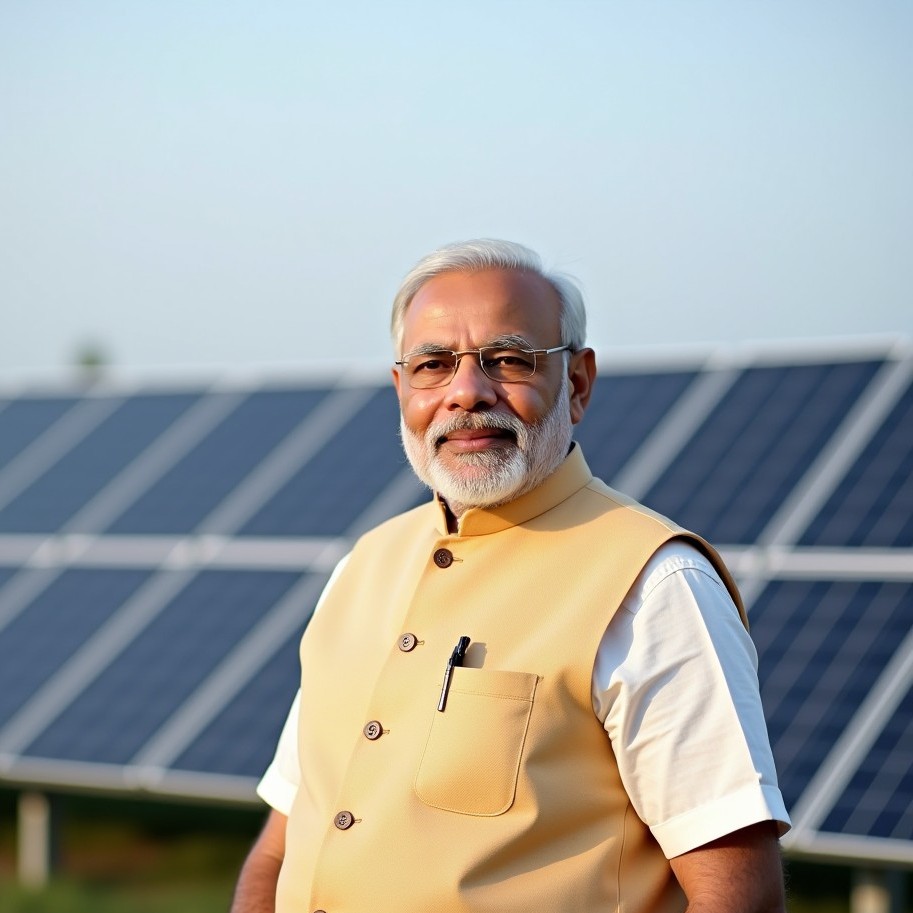

Install rooftop solar under the Government of India’s latest scheme and enjoy free monthly electricity. Limited-time subsidy benefits available for eligible households.
Apply Now / Contact Us